
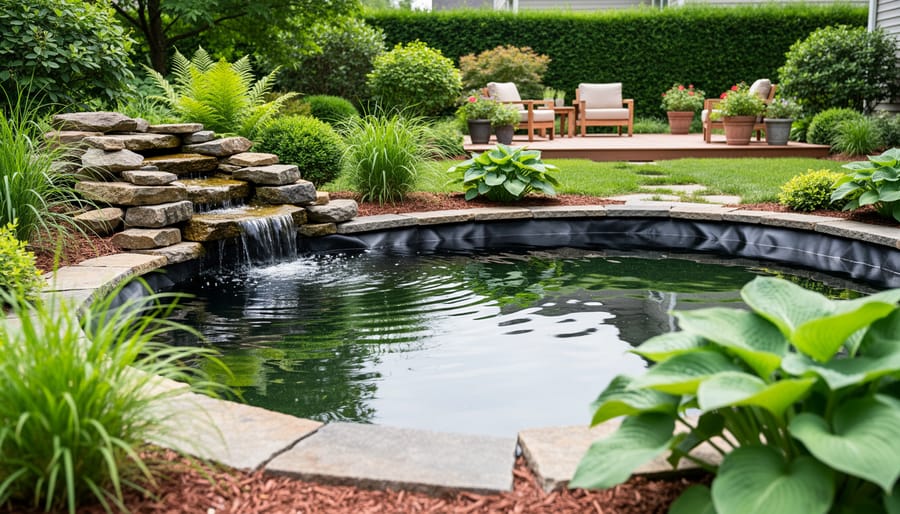
At first glance, pond design and bitcoin games seem worlds apart, yet both demand the same core disciplines: careful planning, strict budget boundaries, and knowing when to step back. Garden pond enthusiasts already practice these skills every time they research liner materials, calculate pump flow rates, or resist the urge to overstock with koi. These same principles translate directly to responsible recreational choices, whether you’re deciding on another bag of gravel or whether to place another wager.
The connection runs deeper than simple self-control. Building a thriving pond ecosystem requires patience. You wait for beneficial bacteria to colonize your filter media, for aquatic plants to establish root systems, for water chemistry to stabilize. Rushing any stage leads to algae blooms, fish stress, and wasted money. That same measured approach applies to any leisure activity with risk attached. Successful pond keepers understand delayed gratification in ways many recreational gamblers never master.
This article isn’t about promoting online casinos. It’s about recognizing that the pond community already possesses remarkable life skills that apply far beyond the garden. The research habit you’ve built comparing pond pumps transfers to evaluating any service or product. The budgeting discipline that kept your waterfall project from spiraling into debt works just as well for entertainment spending. Most importantly, the hours you spend observing fish behavior, adjusting water flow, or simply sitting beside your pond represent something far more valuable than screen time. They’re active engagement with the physical world, the kind of grounding hobby that naturally crowds out less healthy habits.
The Philosophy of Balance: What Your Pond Design Teaches About Self-Control
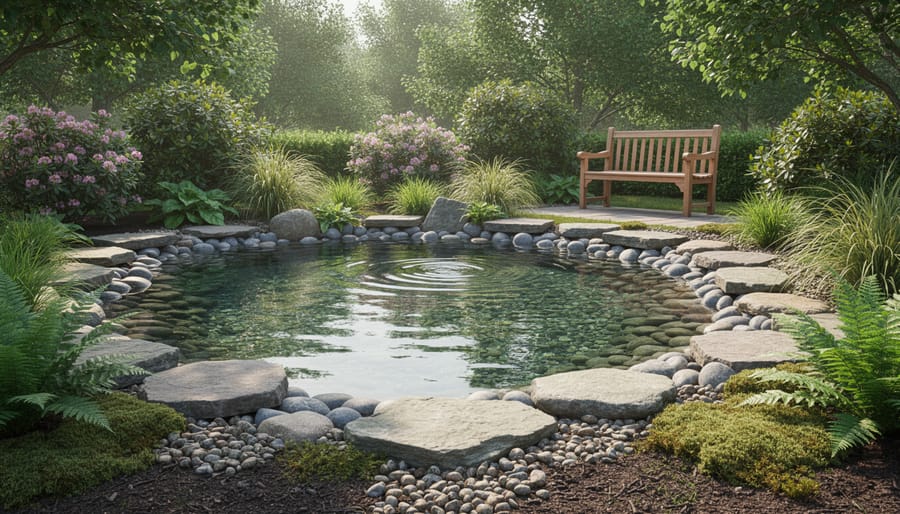
Setting Boundaries in Your Outdoor Space
When you design a pond, you face hundreds of choices. Which fish? How many plants? Should you add rocks or keep things minimal? Every decision requires saying yes to some options and no to others.
This practice of boundary-setting starts before you break ground. You measure your space and decide where the pond ends and the lawn begins. You choose a budget and stick to it, even when you spot that gorgeous koi you didn’t plan for. You research how many fish your pond can support, then stop at that number instead of overcrowding.
These aren’t restrictions that limit your enjoyment. They’re the framework that makes your pond thrive. Overstocking leads to poor water quality. Too many decorative elements create visual chaos. A pond without boundaries becomes a maintenance nightmare rather than a retreat.
The discipline you exercise here, knowing your limits, respecting capacity, making deliberate choices, is a transferable skill. You’ve already learned that more isn’t better, that sustainable enjoyment requires planning, and that the most satisfying outcomes come from thoughtful restraint. Your pond succeeds because you set boundaries and honor them.
Time Investment vs. Time Consumption
Working on a pond is fundamentally different from passive screen time. When you’re balancing water chemistry or designing a new filtration system, you’re building something that improves with each hour invested. You make decisions, solve problems, and see direct results from your effort. The time compounds, today’s work creates tomorrow’s beauty.
Contrast this with consumption-based activities where hours disappear without tangible progress. You finish a session and nothing has changed in your physical world. No skills developed, no environment improved, no lasting satisfaction earned.
Pond keeping demands active participation. You can’t maintenance a filter on autopilot or plant aquatics while distracted. Each task requires focus, and that focused state becomes its own reward. You’re present, engaged, solving real challenges with your hands.
This distinction matters because intentional activities satisfy us differently than passive ones. When you invest time rather than spend it, you build competence and create value. Your pond becomes both the product of focused hours and the evidence that your time mattered. That’s the difference between recreation that depletes and work that restores.
Creating Your Outdoor Sanctuary as a Healthy Alternative
Hands-On Projects That Demand Your Full Attention
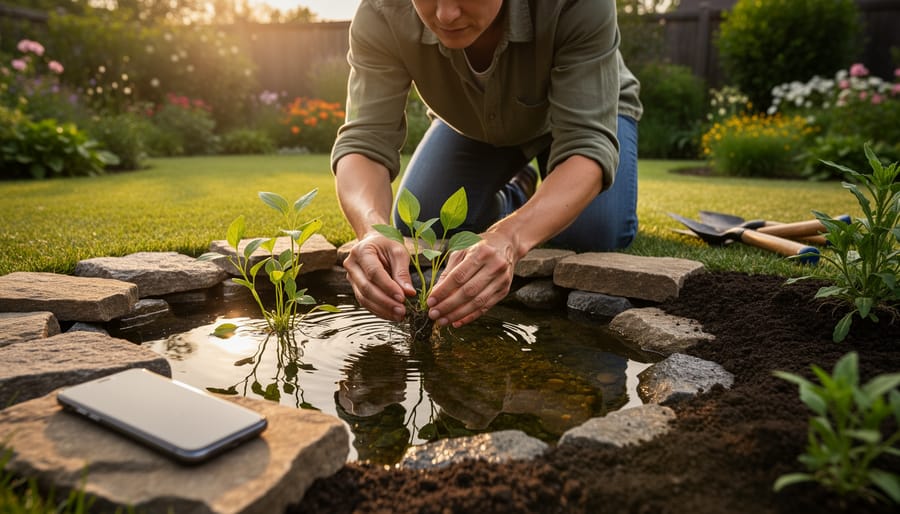
Installing a new bubbling fountain or waterfall demands absolute focus. You’ll spend hours determining water flow rates, positioning stones for natural aesthetics, and troubleshooting pump placement until the sound achieves exactly the tone you want. This immersion mirrors the engagement of any absorbing activity, except you’re creating something that enhances your property and provides lasting daily enjoyment.
Planting an aquatic garden requires genuine skill development. You’ll research which marginal plants tolerate your climate, how bog plants differ from floating varieties, and which combinations create visual interest across seasons. Selecting fish adds another layer, understanding goldfish versus koi requirements, matching stocking density to pond volume, learning to treat tea-colored water caused by tannins. Each decision matters and yields visible results within weeks.
These projects offer the perfect substitute for passive screen time because they demand problem-solving and reward persistence. When your water lilies bloom or your filter system finally runs whisper-quiet, you’ve earned tangible proof of competence. Research shows gardening boosts children’s mood and the same benefits apply to adults investing focused attention in outdoor projects.
The satisfaction deepens because pond work never truly finishes. There’s always another plant to propagate, a stone arrangement to refine, or a filtration upgrade to install, endless opportunities for meaningful engagement that builds rather than depletes.
The Reward of Tangible Results
There’s something deeply rewarding about walking out to your pond on a quiet morning and seeing yesterday’s work transformed into something real. The new lily you planted has opened its first bloom. The fish you’ve been conditioning with quality cold water fish food show brighter colors and bolder movement. The stone edging you spent a weekend placing now looks like it’s always been there, softened by moss and settling into the landscape.
This is what separates outdoor projects from screen-based entertainment, you can touch the results. Digital recreation offers temporary excitement that vanishes the moment you close the app. There’s no evidence of the hours spent, nothing that improves with time, no legacy that outlasts the session. Your pond does the opposite. Each plant matures. Fish grow and breed. Water chemistry stabilizes as beneficial bacteria colonize your filtration system. The ecosystem becomes more resilient, more beautiful, more yours with every passing season.
You’re not just consuming time; you’re investing it. The satisfaction compounds rather than evaporates, creating something that welcomes you home every day and improves your property’s value while it brings you peace.
Applying Garden Design Discipline to Digital Recreation
Budgeting for Beauty: Managing Resources Wisely
When you’re planning your first pond filtration system or considering that premium koi variety, you already know the drill: check your budget, compare options, prioritize needs over wants. You wouldn’t impulse-buy a UV clarifier without checking whether it fits this month’s pond fund, and you certainly wouldn’t drain your savings on a collection of butterfly koi before ensuring you’ve got the basics covered.
This financial discipline isn’t just smart pond management, it’s a life skill that applies everywhere. Pond keepers naturally think in terms of allocated budgets. You might set aside £50 monthly for fish food and maintenance, £200 quarterly for equipment upgrades, and a yearly fund for major projects like liner replacement. These aren’t restrictive limits; they’re boundaries that let you enjoy your hobby sustainably without financial stress.
The same approach works for any form of entertainment. Decide what you can comfortably spend on recreation without affecting your pond budget or essential expenses, then treat that amount as fixed. Track it the way you’d track water chemistry readings, with honest numbers and regular check-ins. When this month’s entertainment allocation runs out, you stop, just as you wouldn’t overfeed your fish simply because the food tin isn’t empty yet.
The beauty of this method is its simplicity. You’re not depriving yourself; you’re managing resources so your hobbies remain enjoyable rather than becoming sources of regret.
Research Before You Invest
Any experienced pond keeper will tell you that impulse purchases lead to dead fish and murky water. Before adding koi to your pond, you investigate temperature ranges, test your water chemistry, and research whether that beautiful goldfish-eating plant is actually compatible with your ecosystem. You don’t guess, you verify. This same investigative instinct serves you well in any recreational pursuit. Just as you wouldn’t pour an unknown chemical into your pond without understanding its effects on pond water clarity you shouldn’t engage in any activity without understanding what you’re getting into. Read reviews, check credentials, understand the rules and risks, and know what success and failure look like. The research phase isn’t about killing excitement, it’s about making informed choices that won’t leave you with regrets. Pond keepers who skip homework end up with expensive mistakes. The same principle applies everywhere: due diligence protects both your investment and your peace of mind.
Knowing When to Step Away
Experienced pond keepers know the dangers of overfeeding, too much food clouds water, stresses fish, and disrupts the ecosystem’s natural balance. The wisdom is simple: more isn’t better, and sometimes the healthiest choice is doing less. This same intuition applies to any engaging activity in life. Just as you set feeding limits to protect your fish, you need to recognize when you’ve reached your threshold with screen time, entertainment, or any absorbing hobby. Watch for the same warning signs: diminishing returns, neglected responsibilities, or that nagging feeling you’re overdoing it. Your pond taught you restraint, trust that instinct everywhere else.
Building a Lifestyle Centered on Outdoor Aesthetics
Creating Evening Routines Around Your Water Feature
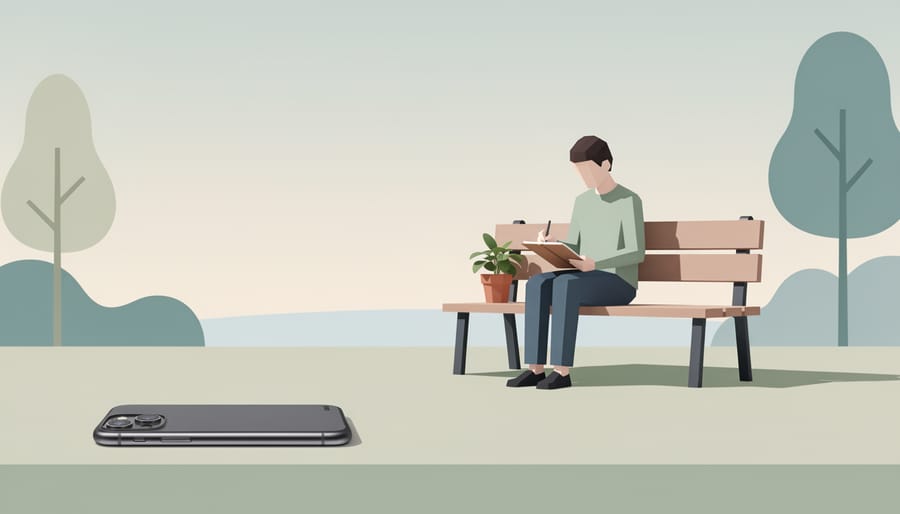
The best routines happen naturally when you design for them. Position a comfortable bench or chair within view of your pond, creating an invitation you’ll accept without thinking about it. When you arrive home, make your first stop the pond for evening feeding, not your phone or computer. This single anchor transforms scattered minutes into meaningful ritual.
Fish respond to consistent feeding schedules, making this practical necessity double as intentional decompression. Watch how they surface as you approach, how they interact during feeding, how the light catches their scales differently as the sun sets. These moments demand nothing from you except presence.
After feeding, stay. The water sounds that drew you to pond keeping in the first place work best when you’re still enough to really hear them, the gentle cascade over rocks, the bubble of aerators, the occasional splash of a jumping fish. Your nervous system responds to these natural patterns in ways screens can’t replicate.
Keep a simple notebook by your pond seat to track observations, which plants are spreading, which fish seem most active, where you might add lighting next season. This gives restless hands something to do while your mind settles. Before you realize it, forty-five minutes have passed without you reaching for a device once.
Involving Family in Pond Projects
Pond care transforms into powerful family time when everyone has a role. Assign age-appropriate tasks that give children ownership: younger kids can help sprinkle fish food (teaching portion control and routine), while older ones tackle water testing or plant trimming. These aren’t just chores. They’re lessons in cause and effect, patience, and working toward something bigger than individual entertainment.
Saturday morning pond maintenance becomes a ritual that competes with screen time naturally. When your daughter knows the koi recognize her specifically, or your son takes pride in the clarity he achieved through proper filtration adjustments, they’ve invested themselves in an outcome they can see and touch. That investment creates motivation no video game can match.
Design decisions become family conversations. Should we add that driftwood piece? Which plants go in the shallow end? These discussions teach negotiation, aesthetic judgment, and compromise. Everyone contributes ideas, but the pond itself sets the boundaries, what works with the ecosystem, what the budget allows, what the space can accommodate.
The unspoken lesson matters most: good things require consistent attention and respect for limits. Fish don’t thrive with irregular care. Algae blooms when balance tips too far. Children absorb these truths through experience, developing an internal compass for moderation that applies everywhere, from managing their own free time to making choices about any recreational activity later in life.
The same principles that guide your hand as you position that perfect rock or choose just the right water lily apply far beyond your pond’s edge. Every time you test water parameters instead of guessing, you’re practicing restraint. When you resist the urge to add “just one more” koi because you know your filtration can’t handle it, you’re setting healthy boundaries. These aren’t just pond-keeping skills, they’re life skills that serve you everywhere.
Your garden teaches patience through seasons of growth, discipline through regular maintenance schedules, and wisdom through inevitable mistakes. A cloudy pond teaches you that quick fixes rarely work. An overstocked fish population shows you that more isn’t always better. These lessons stick because you’ve learned them with your hands dirty and your back sore, not from a screen.
The beauty you’ve created outside your window exists because you made deliberate choices about what to include and what to leave out. You understood that a successful pond isn’t about cramming in every feature you’ve ever admired, it’s about creating harmony through thoughtful selection. This same design thinking transforms how you approach everything that competes for your time and attention.
When you’re tempted by any activity that promises excitement without effort, remember what your pond has taught you: lasting satisfaction comes from investment, not consumption. The best moments in your garden weren’t bought, they were earned through planning, patience, and presence. Your outdoor sanctuary isn’t just a retreat from the world; it’s a masterclass in living intentionally. Trust what your garden already knows about balance, and let that wisdom shape every choice you make.